Classification of vanadium batteries
2022-01-11
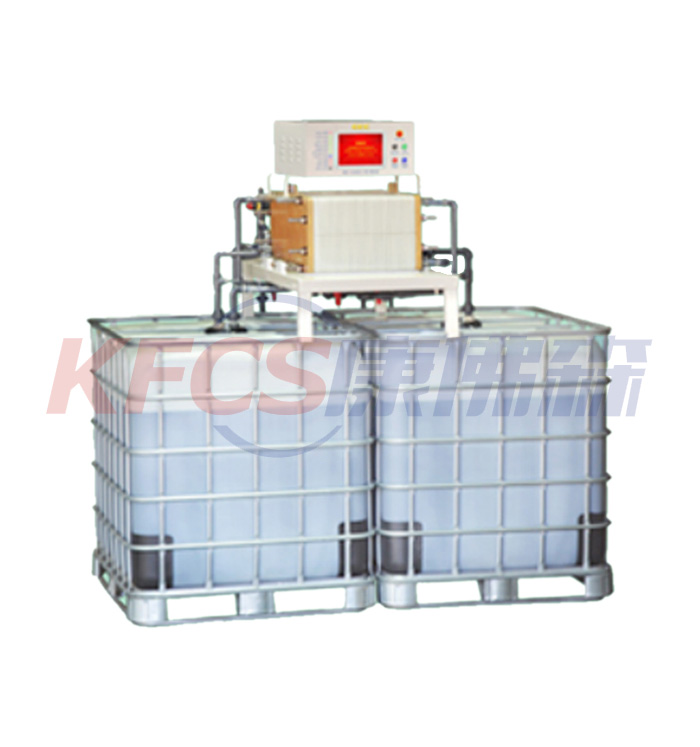
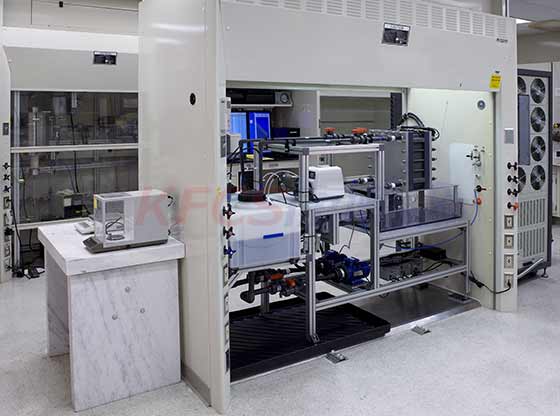
The components of vanadium battery mainly include the following parts: electrodes, storage tanks, diaphragms, reactors, electrolytes, pumps, etc. According to whether there is a pump, vanadium batteries are divided into two categories: static type and flow type.
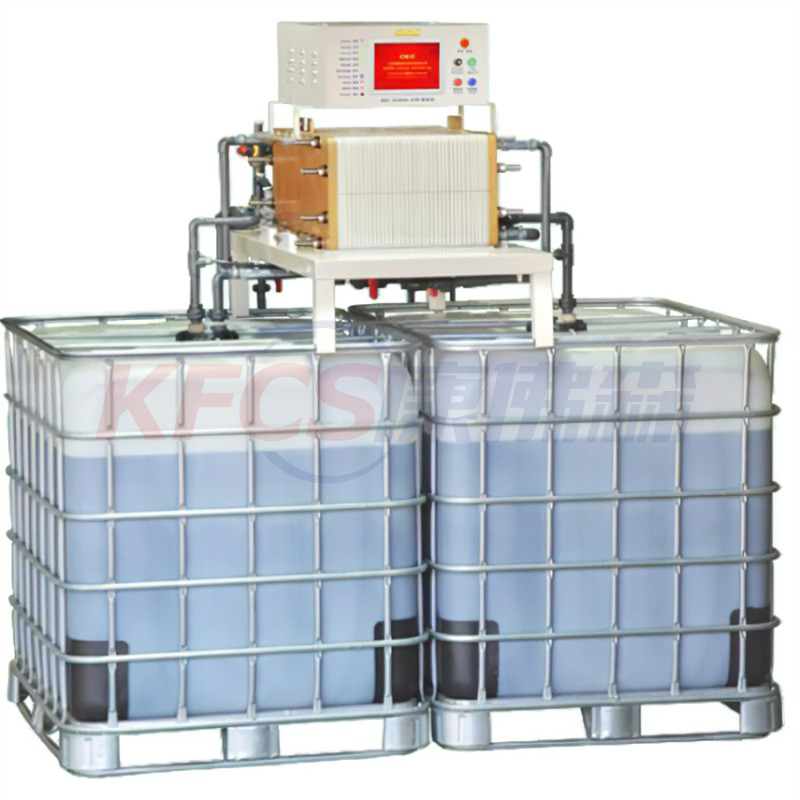
(1) Flow type vanadium battery
In the flow type vanadium battery, due to the action of the pump, the electrolyte can be transported from the liquid storage tank into the battery stack, and returned to the liquid storage tank after the battery reaction is completed, so that the active substances in the electrolyte are continuously circulated, so , to ensure a relatively uniform distribution of active substances in the electrolyte and eliminate concentration polarization. In addition, two additional electrolyte tanks for flow-type vanadium batteries increase the battery capacity. However, the flow of the electrolyte needs to be driven by a pump. Therefore, this type of battery consumes a part of the electric energy, which accounts for about 2-3% of the total battery capacity. In practical applications, the advantages of flow-type vanadium batteries to eliminate concentration polarization make them widely used.
(2) Static vanadium battery
Compared with flow-type vanadium batteries, in static-type vanadium batteries, concentration polarization of the electrolyte is likely to occur due to the lack of flow of the electrolyte. Although a protective gas is introduced to stir the electrolyte to reduce or even eliminate concentration polarization, the effect is not ideal. Because this type of battery does not have an electrolyte circulation system, there are no two additional liquid storage tanks, and the capacity of the battery reactor is limited, so its capacity is usually smaller than that of a flow-type vanadium battery.
About News
- VFB-1KW all-vanadium flow energy storage system
- Megawatt vanadium battery system
- The history of vanadium battery
- Significance of power battery recycling
- Lithium iron phosphate battery will become the mainstream of power battery market
- New progress in lithium-sulfur battery research: special sulfides do not react with carbonate electrolytes
- Battery industry production continues to grow
- A quarter of Australian households use rooftop solar, and the proportion of renewable energy generation in Australia rises to 35%
- VFB-125kW all-vanadium liquid flow energy storage system
- Industrial chain of power battery recycling
Products