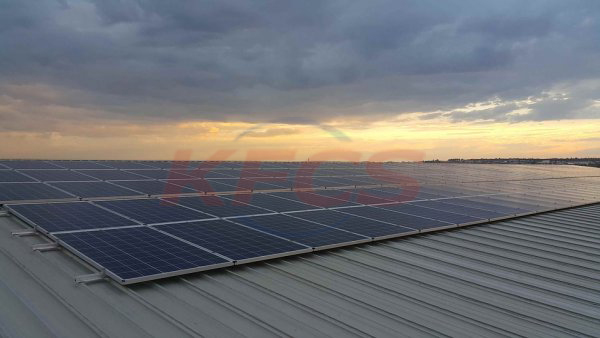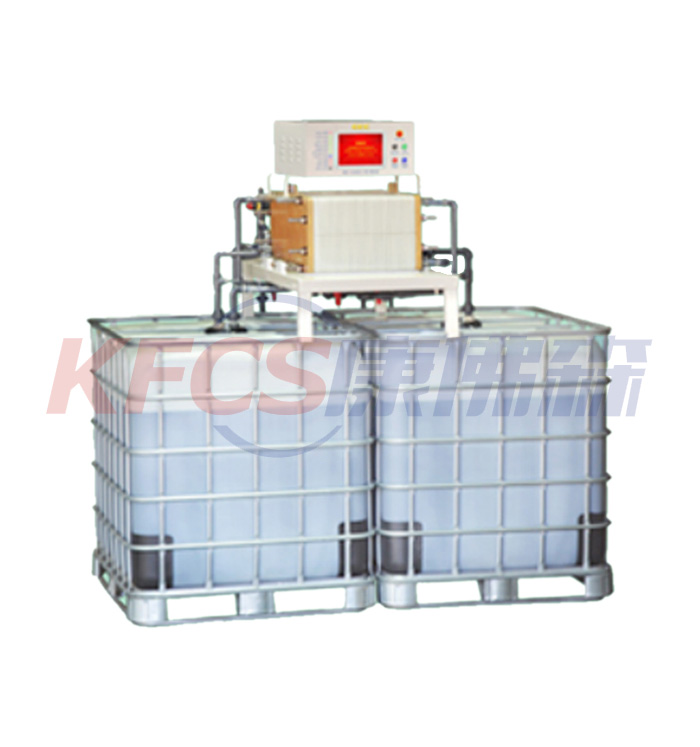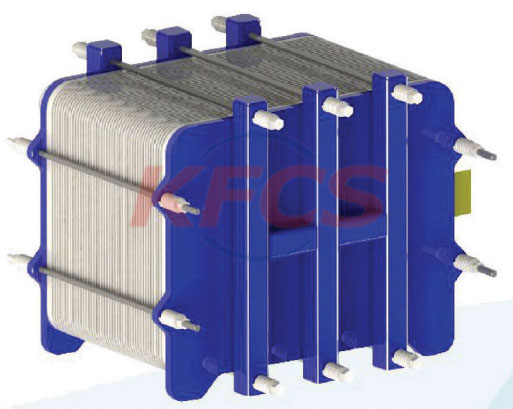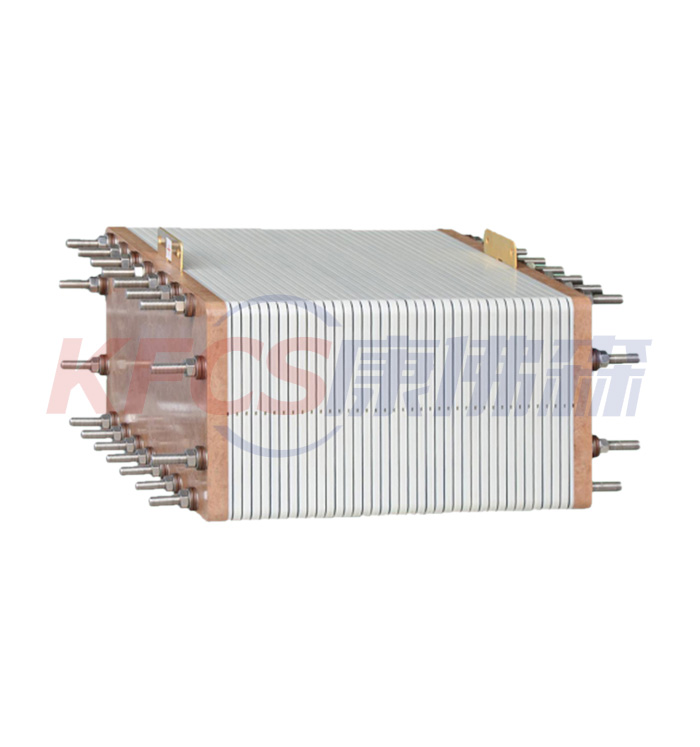
The all-vanadium redox flow battery (VRFB) is a large-scale energy storage systems
2022-04-28
The all-vanadium redox flow battery (VRFB) is emerging as a promising technology for large-scale energy storage systems due to its scalability and flexibility, high round-trip efficiency, long durability, and little environmental impact.
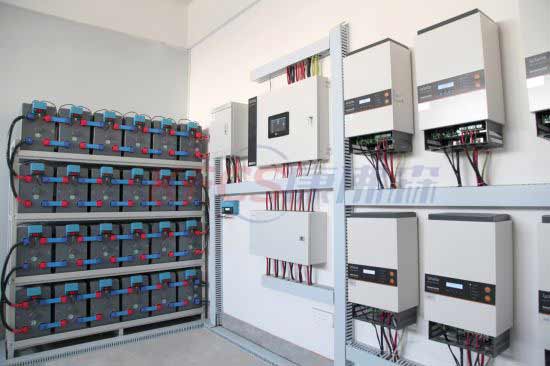
VRFB's main advantages:
no limit on energy capacity
can remain discharged indefinitely without damage
mixing electrolytes causes no permanent damage
single charge state across the electrolytes avoids capacity degradation
safe, non-flammable aqueous electrolyte;
wide operating temperature range including passive cooling
long charge/discharge cycle lives: 15,000-20,000 cycles.
low levelized cost: (a few tens of cents), approaching the $0.05 targets stated by the US Department of Energy and the European Commission Strategic Energy Technology Plan (€0.05), respectively.
About News
- The history of vanadium battery
- Classification and performance parameters of solar cells are introduced in detail
- Application of Vanadium redox flow battery
- Operation and maintenance procedures for box-type transformers in new energy photovoltaic power plants
- Vanadium could be the next strategic resource
- The world's largest 100MW all-vanadium redox flow battery energy storage and peak-shaving power station has entered the single module commissioning stage
- Smart Battery Management System (S-BMS)
- Application of all vanadium flow battery in energy storage field
- What are the advantages of all vanadium redox flow battery energy storage technology?
- What are the advantages of all-vanadium redox flow battery energy storage technology?
Products