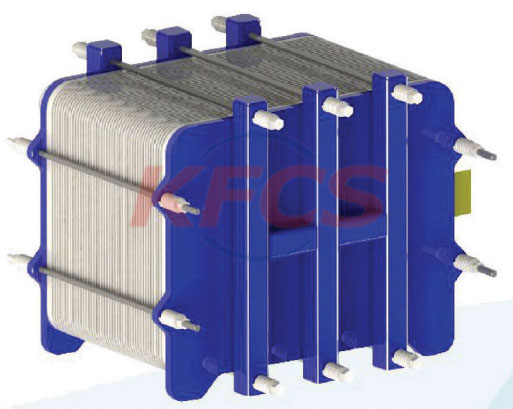
What is a vanadium battery?
2022-01-09
Vanadium battery, the full name of vanadium redox flow battery (Vanadium Redox Battery, abbreviated as VRB), is a kind of oxidation that uses the different chemical potential energy of vanadium ions in different oxidation states to save energy and make the active material in a circulating liquid state. The reduction battery has the advantages of high battery efficiency, deep discharge, easy maintenance, environmental protection and practicality, and the electrolyte can be recycled. It is considered to be a large-scale energy storage system with the most practical prospects.
About News
- Major Strengths of Vanadium Redox Flow Battery
- Vanadium battery market prospect
- Scientists develop ultrathin supercapacitors that retain strength after bending
- 500MW! Sweden's OX2 acquires Greek wind and solar projects
- Large-scale energy storage: vanadium batteries challenge the lithium battery market
- Components of vanadium battery system
- Advantages of all-vanadium redox flow batteries
- How Vanadium Flow Redox Batteries Work?
- Swedish new research is committed to improving EV battery recycling process
- Vanadium Redox Battery 24V 33ah Rechargeable
Products